

What Happens During a Tooth Extraction (And What to Expect Afterward)
- Written by Dental Elements
- Medically Reviewed by Dr. David Thurman, DDS
- Published: August 2026 · 6 min read

KEY TAKEAWAYS
Modern tooth extractions are performed under profound local anesthesia, meaning you will feel pressure but no sharp pain during the procedure.
The first 24 to 72 hours of recovery focus strictly on allowing a stable blood clot to form in the empty socket.
Preventing a "dry socket" requires avoiding drinking through a straw, smoking, and vigorous rinsing or spitting for the first few days.
Our Downtown Denver practice provides clear, customized post-operative instructions based on the complexity of your extraction to minimize complications.
While visible soft-tissue healing occurs over one to two weeks, the bone within the socket continues to remodel for much longer beneath the surface.
What Happens During the Extraction Procedure?
Once the treatment area is completely numbed with local anesthesia, the dentist uses specialized instruments to carefully loosen the tooth and separate it from the surrounding tissue. You will feel firm pressure and movement during this step, but you should not feel any pain.
Simple extractions of fully erupted teeth are often completed quickly. Teeth that are heavily broken, impacted, or possess complex root anatomy may require sectioning the tooth into smaller pieces for more controlled removal while preserving the surrounding bone. The socket is then cleaned, and gauze is placed so you can bite gently to initiate clot formation.
What Happens What Is the Typical Recovery Timeline?
Your recovery occurs in distinct phases, transitioning from immediate clot protection to long-term soft tissue healing.
01
Days 1 to 3
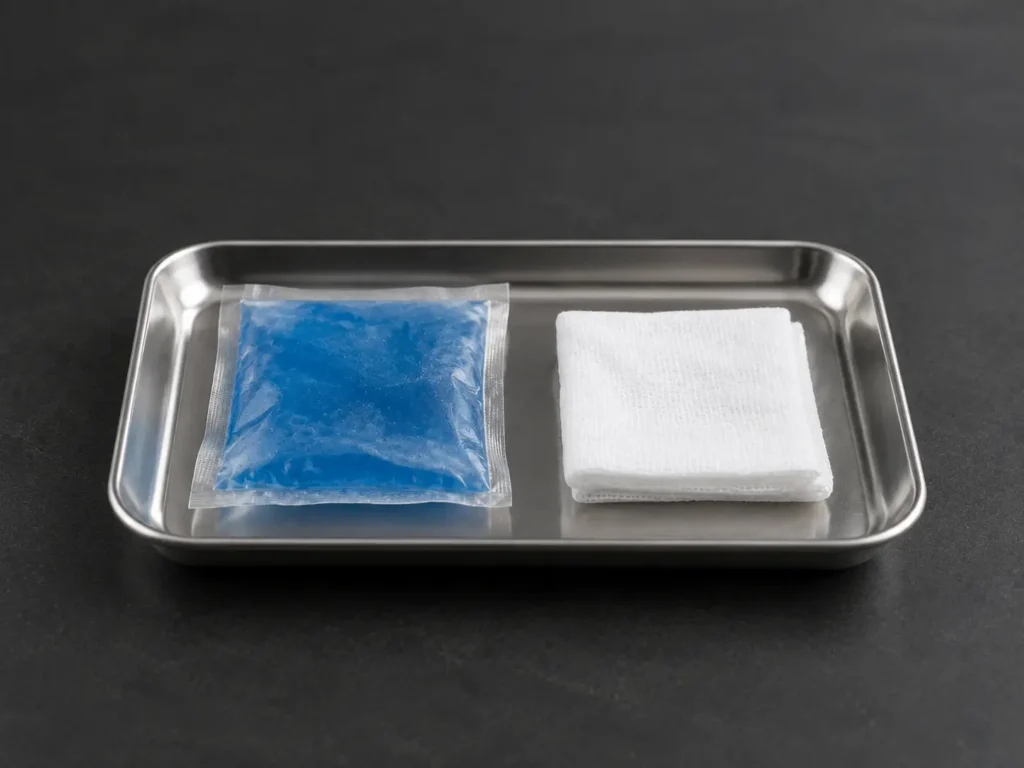
moderate discomfort, localized swelling, and slight oozing are common. The primary goal is protecting the newly formed blood clot. Rest, apply cold compresses to the outside of your face in short intervals, and stick to a soft food diet.
02
Days 4 to 7
Swelling and discomfort should noticeably decrease. You can slowly reintroduce solid foods that require minimal chewing. Gentle rinsing with warm salt water can be introduced to keep the surgical site clean.
How Can You Reduce the Risk of Dry Socket?
You can prevent a dry socket by strictly avoiding any actions that create suction or pressure in the mouth, which can dislodge the protective blood clot before the site heals. A dry socket exposes the underlying bone and nerves to air and food, causing severe, radiating pain.
To protect the clot, do not drink through a straw, smoke, or vape for at least the first 48 hours following your procedure. Avoid vigorous rinsing, spitting, or swishing. Maintain gentle oral hygiene around the site and keep your head elevated when resting.
Are you anxious about an upcoming extraction?

Dr. David Thurman, DDS
- D.D.S., The Ohio State University (2007)
- Founder, Dental Elements
- 19+ Years of Clinical Practice
Related Services

Tooth Extractions
Experience safe, minimally invasive removal of unsalvageable or severely infected teeth.

Sedation Dentistry
Alleviate procedure anxiety with safe, effective relaxation techniques.
YOUR DENTAL HOME STARTS HERE
Facing the possibility of an extraction and want clear expectations?
A thorough consultation reviews the clinical reasons for removal, exactly what the procedure involves, and detailed recovery steps so you can plan with confidence.