

What Should You Do If You Have a Dental Emergency? (A Triage Guide)
- Written by Dental Elements
- Medically Reviewed by Dr. David Thurman, DDS
- Published: August 2026 · 6 min read
KEY TAKEAWAYS
A true dental emergency typically involves severe, unmanageable pain, uncontrollable oral bleeding, or active swelling that threatens the airway.
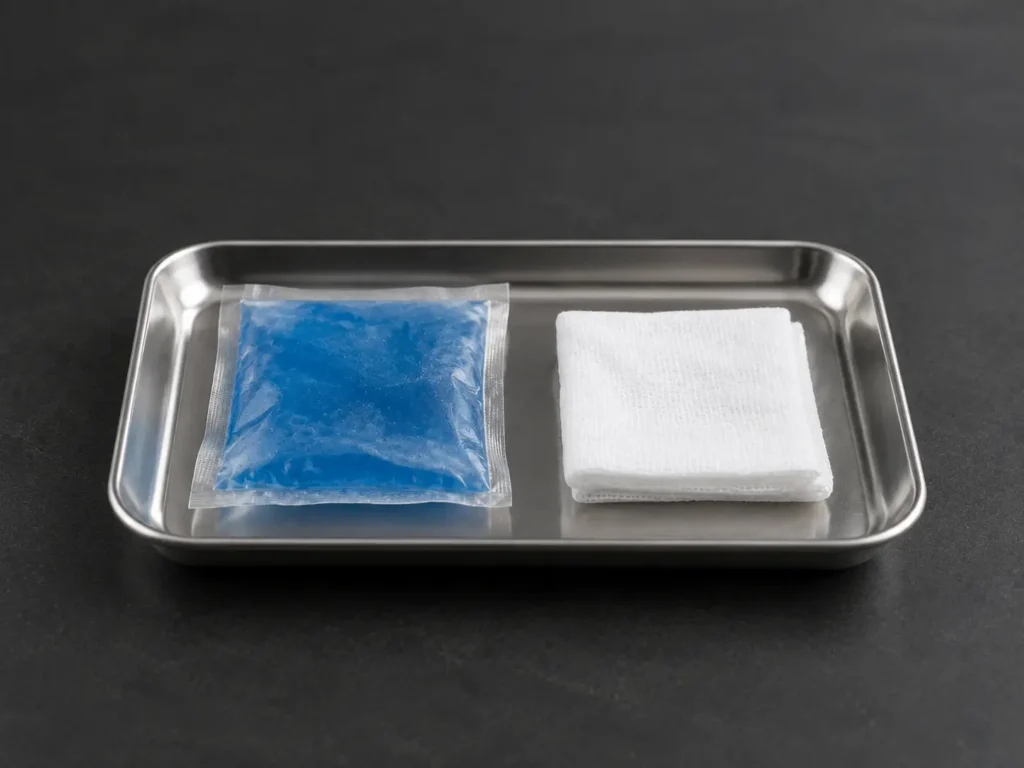
Applying a cold compress to the outside of the face is the safest immediate action to manage acute swelling and numb traumatic pain.
Knocked-out permanent teeth must be handled strictly by the crown and kept moist in milk or saliva to maintain viability for successful reimplantation.
Patients in Downtown Denver experiencing acute dental trauma or severe infection should contact our office immediately for priority clinical triage.
Temporary relief from over-the-counter pain medication does not mean the underlying dental problem has resolved; professional evaluation is still necessary.
How Do You Identify a True Dental Emergency?
A true dental emergency is any oral health condition that requires immediate clinical intervention to stop uncontrolled bleeding, alleviate severe pain, or save a traumatized tooth. While a mildly chipped tooth or a dull ache can wait for a scheduled appointment, certain symptoms are highly time-sensitive.
Rapidly spreading facial swelling, a permanent tooth that has been completely knocked out (avulsed), uncontrollable bleeding from the gums or an extraction site, and excruciating, spontaneous pain that prevents sleep are critical events. Delaying treatment for these conditions can worsen the outcome or limit the range of available restorative options.
What Immediate Actions Should You Take During a Dental Emergency?
Your immediate response should focus on stabilizing the injury, preserving the tooth structure, and controlling pain safely. Follow these clinical triage steps while arranging for emergency dental care:
01
For Severe Toothaches
Gently rinse with warm water and floss to remove debris. Never apply aspirin directly to the gums, as this causes chemical burns.
02
For Knocked-Out Teeth
Pick the tooth up strictly by the chewing surface (the crown), rinse it briefly if dirty, and store it in cold milk or saliva. Time is critical.
03
For Bleeding
Apply firm, continuous pressure to the site using a clean gauze pad or a moistened tea bag for 15–20 minutes.
04
For Swelling
Apply a cold compress wrapped in a towel to the outside of the cheek in 15-minute intervals. Do not apply heat to a suspected infection.
When Is Immediate Hospital Care Essential?
Seek emergency medical care immediately if dental swelling rapidly increases to the point of affecting your breathing or swallowing. Uncontrolled bleeding that does not stop with firm pressure, or significant facial trauma involving a loss of consciousness, also requires a hospital emergency room visit. An emergency department can secure your airway and address urgent medical threats, while definitive dental repairs can follow once you are stabilized.
Are you currently experiencing severe oral pain or trauma?

Dr. David Thurman, DDS
- D.D.S., The Ohio State University (2007)
- Founder, Dental Elements
- 19+ Years of Clinical Practice
Related Services
Emergency Dental Care
Receive urgent, compassionate clinical intervention to alleviate pain and stabilize trauma.
Dental Abscess Treatment
Address active infections promptly when they have spread beyond the tooth.


YOUR DENTAL HOME STARTS HERE
Do you need urgent professional care to address sudden tooth pain or an oral injury?
Do not ignore severe dental symptoms in the hope that they will resolve on their own. Call or text our office right away so we can guide you through immediate first aid and prepare for your arrival.