

Oral Sedation in LoDo
Oral sedation involves taking a prescribed medication by mouth before your appointment to produce a state of deep relaxation. At Dental Elements in LoDo, Dr. David Thurman uses oral conscious sedation to help patients with moderate dental anxiety undergo treatment more comfortably while remaining responsive and able to communicate.
- Best For: Moderate dental anxiety, difficulty tolerating treatment, and longer appointments
- Typical Visits: Medication taken prior to the appointment; requires transportation arrangements
- Anesthesia: Moderate conscious oral sedation; local anesthetic used for the procedure

Deeper relaxation through prescribed medication
Oral sedation is a form of conscious dental sedation in which a carefully selected anti-anxiety medication is taken by mouth before your appointment. Depending on the medication, dose, and individual response, patients become significantly drowsy and deeply relaxed while remaining responsive to the dental team.
Unlike nitrous oxide, oral sedation does not simply stop when you remove a mask. Its effects continue well after the dental appointment concludes, which is why strict transportation and post-treatment supervision are required. Oral sedation helps manage anxiety and awareness, but local anesthetic is still administered to numb the tooth during the actual restorative or surgical procedure.
When may oral sedation be appropriate?
Oral sedation may be worth discussing if you:
Significant Dental Anxiety
Find dental anxiety difficult to manage with communication, a calm environment, or nitrous oxide alone.
Struggle to Tolerate Care
Have previously found dental treatment difficult because of severe sensitivity or an inability to sit comfortably.
Longer Appointments
Are preparing for an extensive restorative treatment where remaining relaxed for a long period may be difficult.
Avoided Dental Care
Have delayed necessary dental treatment because anxiety has made scheduling appointments too overwhelming to face.
Planning for a carefully supported appointment
Sedation Evaluation
Your medical history, current medications, anxiety level, and planned treatment are rigorously reviewed before any sedative is prescribed.
Medication Instructions
You receive specific instructions regarding the medication, timing, fasting requirements if applicable, and strict transportation rules.
Sedated Treatment
Once the medication takes effect, dental treatment proceeds. Your response and comfort are monitored throughout the care process.
Assisted Recovery
Because oral sedation affects alertness and coordination, you must follow discharge instructions and have a responsible adult drive you home.
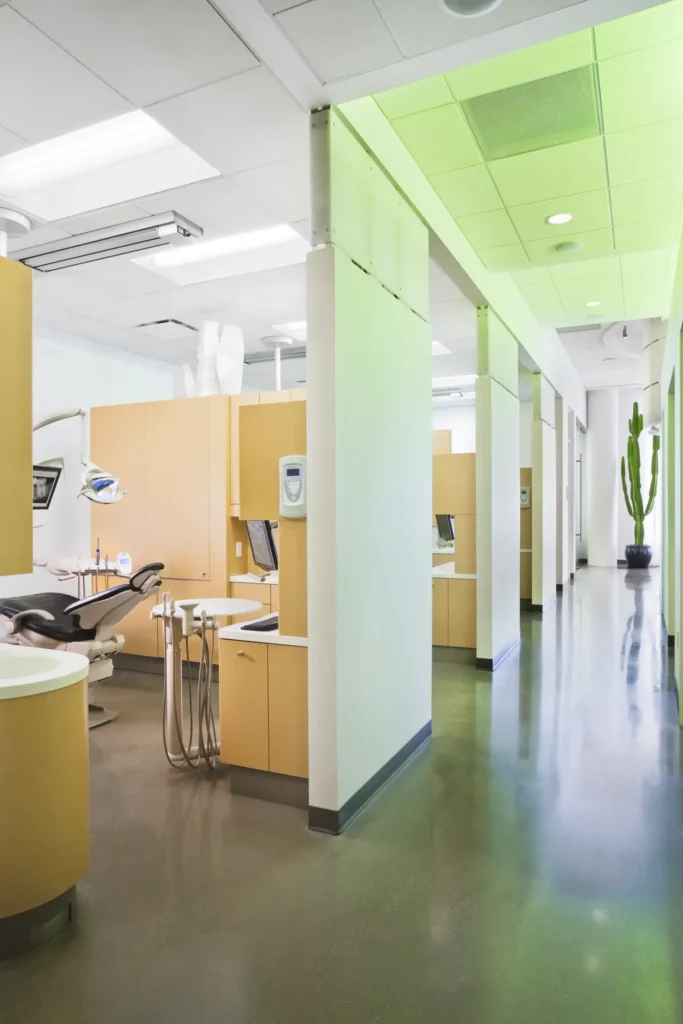
Sedation planned around your care—not separately from it
At Dental Elements in LoDo, oral sedation is considered as part of your overall treatment plan. Dr. Thurman evaluates your dental needs alongside your comfort concerns, health history, and the planned procedure rather than treating sedation as a one-size-fits-all solution. That continuity matters when anxiety is the reason you have delayed care. The conversation about comfort happens alongside the conversation about your dental health, so you can understand both what needs to be done and exactly how we can make receiving that care more manageable.
IMPORTANT THINGS TO KNOW
Oral sedation requires strict planning
Oral sedation is not appropriate for every patient. Your medical history, current medications, allergies, and other health conditions heavily influence whether it is appropriate and what level of sedation can safely be provided. Because oral sedatives significantly impair alertness, judgment, and coordination, you cannot drive yourself home or immediately return to normal activities. You must have a responsible adult accompany you. If oral sedation is not clinically suitable for you, other approaches—including nitrous oxide, IV sedation, or non-pharmacologic anxiety management—may be considered.
Frequently Asked Questions About Oral Sedation
Will I be completely asleep with oral sedation?
No. Oral sedation produces deep relaxation rather than general anesthesia. You may feel significantly drowsy, but you remain conscious and responsive.
Will I remember my appointment?
Memory effects vary by medication and individual response. Many patients experience partial amnesia regarding the sights and sounds of the appointment.
Do I need someone to drive me home?
Yes. Oral sedation impairs coordination. You are required to have a responsible adult drive you home and monitor you as you recover.
Is oral sedation stronger than nitrous oxide?
Yes. Oral sedation typically provides a deeper and longer-lasting sedative effect than inhaled nitrous oxide.
How much does oral sedation cost?
The cost depends on the sedation provided and the dental treatment being performed. Applicable fees are reviewed transparently before treatment begins.
Ready to make dental care more manageable?
If anxiety has kept you from receiving dental care, schedule a visit with Dr. Thurman to discuss whether oral sedation may be appropriate for you.