

Sinus Lift in LoDo
- Best For: Creating adequate bone height in the upper jaw for dental implants
- Typical Visits: 1 surgical visit; healing takes several months
- Anesthesia: Local anesthetic (IV and Oral sedation heavily utilized)

Building vertical bone for upper implants
A sinus lift, clinically known as sinus augmentation, is a highly specific type of bone grafting performed on the upper jaw, primarily in the premolar and molar regions. In this area of the mouth, the jawbone is naturally thinner, and the air-filled maxillary sinus cavities sit just above the tooth roots.
When upper back teeth are lost, the supporting bone naturally resorbs (shrinks) over time, and the sinus cavity can expand downward. If you require a dental implant to replace these teeth, there must be enough solid bone to securely anchor the titanium post without penetrating the sinus cavity. A sinus lift solves this by gently raising the delicate sinus membrane and placing bone grafting material underneath it, allowing your body to generate dense, new bone over several months.
When is a sinus lift required for dental implants?
A sinus lift is strictly a preparatory procedure for dental implants. Dr. Thurman will evaluate your 3D imaging to determine if a lift is necessary due to:
Prolonged Tooth Loss
Bone resorption that has occurred over years of missing upper back teeth, leaving the jaw too thin to hold an implant.
Natural Anatomy
A naturally large maxillary sinus cavity or a jawbone that is inherently too short to accommodate the length of a standard implant.
Severe Gum Disease
Significant destruction of the upper maxillary bone caused by chronic, advanced periodontitis.
Traumatic Extraction
Damage to the upper bone structure resulting from a previous, difficult tooth removal.
The Sinus Augmentation Process
3D Diagnostics & Planning
A CBCT scan maps your exact sinus anatomy and existing bone height so Dr. Thurman can determine exactly how much lift is needed.
Anesthesia & Access
The area is profoundly numbed, and sedation is provided. A small access point is created in the bone to reach the sinus membrane.
Lifting & Grafting
The delicate membrane is gently pushed upward, and specialized bone grafting material is packed securely into the space beneath it.
Healing Before Implant Placement
The graft matures over several months before the implant is placed, unless enough residual bone allows for a same-day approach.
Lateral Window vs. Crestal Approach
Lateral Window
Approach
Used when a more significant amount of lift is needed. A small window is created on the side of the jawbone to place the graft directly under the sinus membrane.
Crestal (Osteotome)
Approach
A more conservative technique used when only a modest lift is needed. This is often performed at the exact same time as implant placement to reduce the number of surgical procedures required.
TREATMENT OPTIONS
Lateral Window Approach
Used when a more significant amount of lift is needed. A small window is created on the side of the jawbone to place the graft directly under the sinus membrane.
Crestal (Osteotome) Approach
A more conservative technique used when only a modest lift is needed. This is often performed at the exact same time as implant placement to reduce the number of surgical procedures required.
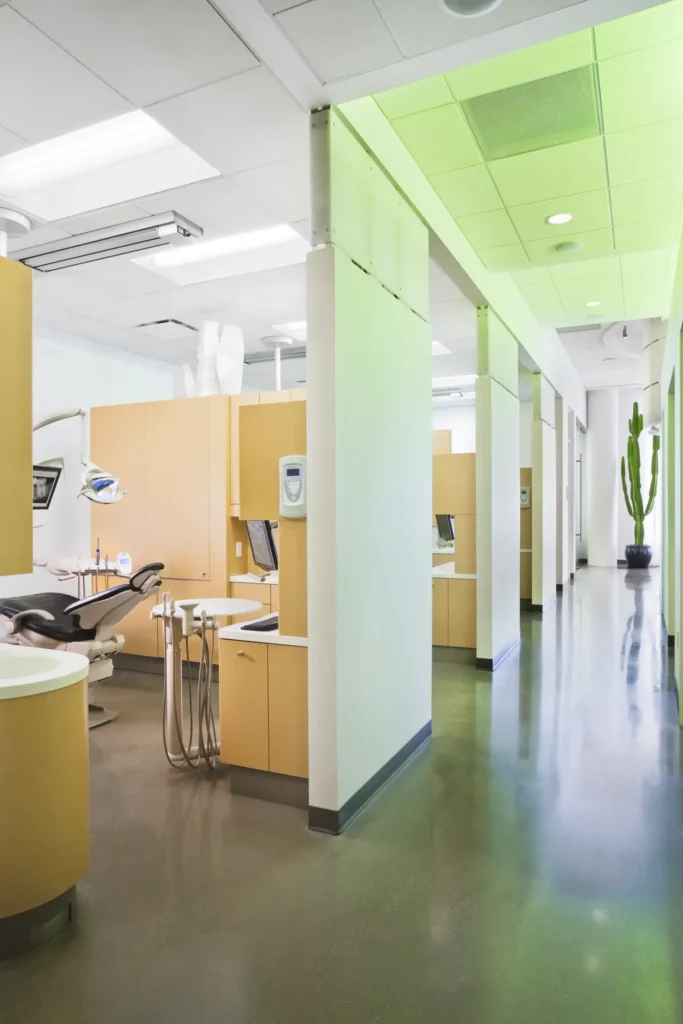
Comprehensive implant care in one location
Because sinus lifts and implants are planned and placed by the same provider here in LoDo, Dr. Thurman carries the full picture of your bone anatomy from the initial scan through final implant placement. We eliminate the miscommunication that frequently occurs when patients are referred back and forth between multiple surgical and restorative specialists. Sinus lift planning is done using in-house 3D imaging, which lets Dr. Thurman measure exact bone height and sinus position before recommending a lateral window or crestal approach, rather than relying on a one-size-fits-all technique.
Performing a sinus lift requires a deep understanding of your unique facial anatomy to safely navigate the delicate sinus membrane. At Dental Elements, we rely exclusively on our 3D CBCT scanner to digitally plan the augmentation with pinpoint accuracy. Because this is an advanced surgical intervention, we heavily recommend utilizing our IV Sedation or Oral Sedation options. This ensures you are in a state of deep, peaceful relaxation, allowing you to wake up comfortably with minimal memory of the procedure.
3D imaging and advanced sedation
Understanding the cost of foundation building
A sinus lift is a specialized preparatory surgery required to ensure the long-term success of an upper dental implant. The cost depends on several factors: whether a lateral window or crestal technique is used, how much graft material is required, whether the sinus lift and implant are placed in the same visit or staged separately, and the scope of the 3D planning involved. During your consultation, we provide a transparent, itemized breakdown of the surgical fees. We assist you in maximizing any applicable dental benefits and offer flexible patient financing options to help ensure this essential foundational step fits within your budget.

Healing Timelines and Medical Limitations
A sinus lift is not always necessary—many patients have adequate bone height and can proceed directly to implant placement. Active sinus infections or untreated sinus disease must be resolved medically before a lift can be safely performed. Healing time requires significant patience. The body needs between 4 and 9 months to convert the grafting material into solid, load-bearing bone before an implant can be placed (unless the crestal same-day approach is utilized). Furthermore, smoking drastically reduces blood flow and significantly increases the risk of the bone graft failing, and will be discussed as part of your candidacy evaluation. In select cases with sufficient residual bone, shorter or angled implants may be a reasonable alternative to a sinus lift.
Frequently Asked Questions About Sinus Lifts
Is a sinus lift painful?
How long until I can get my implant?
Can the implant be placed the same day as the sinus lift?
Will a sinus lift affect my breathing or allergies?
What if I don't get a sinus lift when I need one?
Ready to find out if a Sinus Lift is right for you?
[Provide body content]