
Clinically Reviewed by Dr. David Thurman, DDS
COSMETIC DENTISTRY

Cosmetic Dental Bonding in LoDo

Cosmetic dental bonding is a conservative procedure utilizing tooth-colored composite resin to repair minor aesthetic imperfections. At Dental Elements in LoDo, Dr. David Thurman expertly sculpts and polishes this resin directly onto your tooth to seamlessly fix small chips, close minor gaps, and conceal localized discoloration in a single visit.
Call or Text: 303-309-4093
WHAT ARE Cosmetic Dental Bonding?

A highly conservative cosmetic repair

Cosmetic dental bonding utilizes a specialized, tooth-colored composite resin to rebuild missing tooth structure or conceal aesthetic flaws on the surface of your teeth. Unlike extensive restorations (like crowns) that require sending impressions to an outside laboratory, bonding is an additive, freehand technique performed directly on the tooth while you are in the chair.

The resin chemically adheres to the natural enamel, allowing the dentist to reshape the tooth without removing healthy tooth structure. It is a fast, highly conservative, and cost-effective method for restoring symmetry and natural beauty to your smile.

Is Cosmetic Bonding RIGHT FOR YOU?

When is cosmetic bonding recommended?

Dr. Thurman frequently recommends cosmetic bonding for patients who have healthy teeth but wish to correct minor aesthetic or structural flaws, such as:

Chipped or Fractured Teeth

Rebuilding the precise edge or corner of a tooth that has been chipped by trauma or minor wear.

Small Gaps

Closing slight spaces (diastemas) between the front teeth to create a uniform, continuous smile.

Irregular Tooth Shapes

Reshaping a tooth that is naturally shorter, slightly peg-shaped, or visually disproportionate to the surrounding teeth.

Localized Stains

Concealing a specific, stubborn spot of intrinsic discoloration that cannot be resolved with professional whitening.

WHAT TO EXPECT

The Single-Visit Bonding Process

01

Shade Matching

Dr. Thurman uses a shade guide to carefully select the specific composite resin color that perfectly matches the translucency of your surrounding natural teeth.

02

Tooth Preparation

The surface of the tooth is lightly textured and conditioned with a gentle liquid to ensure a strong, permanent microscopic bond with the resin.

03

Sculpting the Resin

The pliable resin is applied directly to the tooth, where Dr. Thurman uses specialized instruments to carefully hand-sculpt it into the exact desired shape.

04

Curing and Polishing

A specialized light is used to instantly harden the resin. The tooth is then finely polished to match the natural luster of the adjacent enamel.
WHY DENTAL ELEMENTS

Detailed artistry. Immediate results.

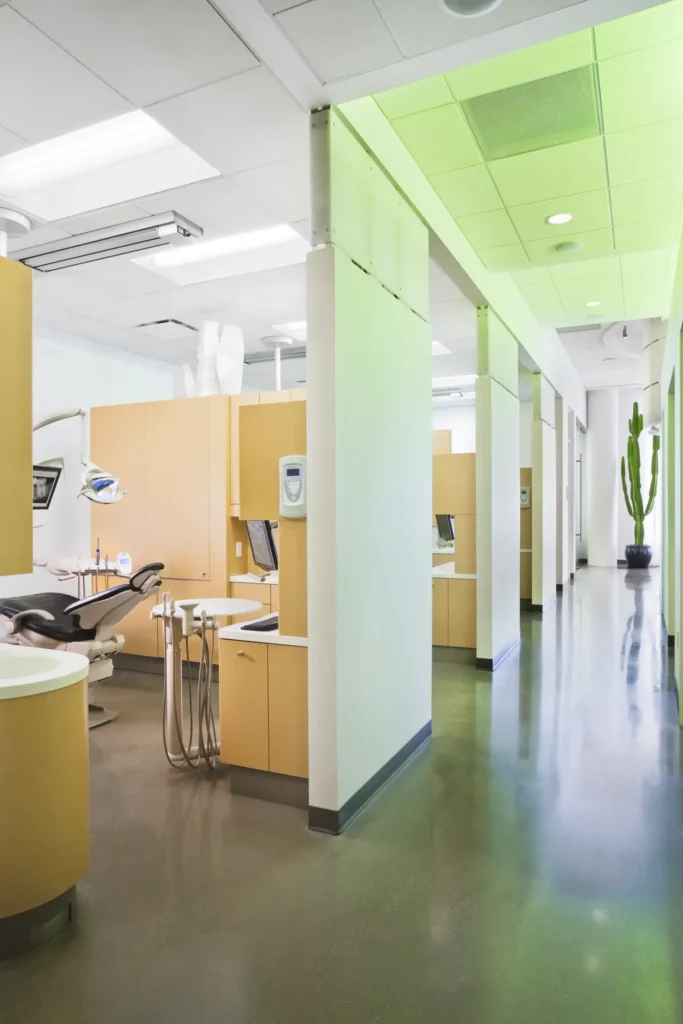
Cosmetic bonding requires a highly skilled artistic eye because the material is sculpted directly onto your tooth in real time. At Dental Elements in LoDo, Dr. Thurman blends clinical precision with an understanding of natural dental anatomy to create bonding restorations that are virtually indistinguishable from your natural enamel. Because we utilize high-quality composite resins and precise color-matching protocols, you receive a seamless, immediate aesthetic upgrade in just one efficient appointment, overseen entirely by a single provider.
FINANCIAL PLANNING

Understanding the investment in alignment.

The cost of clear aligner therapy depends primarily on the complexity of your specific case and the total duration of your treatment plan. Following your digital scan and consultation, our team will provide a transparent outline of all expected costs. We will verify if your dental insurance includes orthodontic benefits that can be applied to clear aligners, and we offer flexible financing options to structure the cost into predictable monthly payments.
IMPORTANT THINGS TO KNOW

Important Considerations for Dental Bonding

While cosmetic bonding is an excellent, conservative option for minor repairs, the composite resin material is not as durable or stain-resistant as the ceramic used in porcelain veneers or dental crowns. Over time, bonding may chip if exposed to heavy biting forces, and it can absorb stains from coffee, red wine, or tobacco. Therefore, bonding is generally not recommended for major structural repairs, covering large surfaces of the tooth, or for patients with severe teeth grinding (bruxism) unless managed with a night guard. For more extensive or permanent changes, porcelain veneers may be a better long-term fit.

Frequently Asked Questions About Cosmetic Bonding

How much does cosmetic bonding cost?

Bonding is generally a highly cost-effective cosmetic treatment. The final cost depends on the size of the repair and the number of teeth involved. We provide clear pricing prior to treatment.
Depending on the location of the bonding and your biting habits, the composite resin typically serves as a durable option for several years before it may require a minor touch-up or polishing.
No. Because bonding is an additive process that usually does not require the removal of enamel, local anesthetic is rarely necessary unless the bonding is being used to fill a decayed area.
Yes. Bonding is most commonly used on the highly visible front teeth to repair edge chips, close minor gaps, and restore aesthetic symmetry.
Bonding is a more conservative option, but it isn’t as durable or stain-resistant as porcelain veneers for larger or long-term corrections.

Ready to seamlessly repair your smile?

Schedule a consultation with Dr. Thurman to discover if conservative cosmetic dental bonding is the right solution for your aesthetic goals.
Call or Text: 303-309-4093
Scroll to Top