Clinically Reviewed by Dr. David Thurman, DDS
EMERGENCY & SURGICAL CARE

Gum Grafting in Downtown Denver

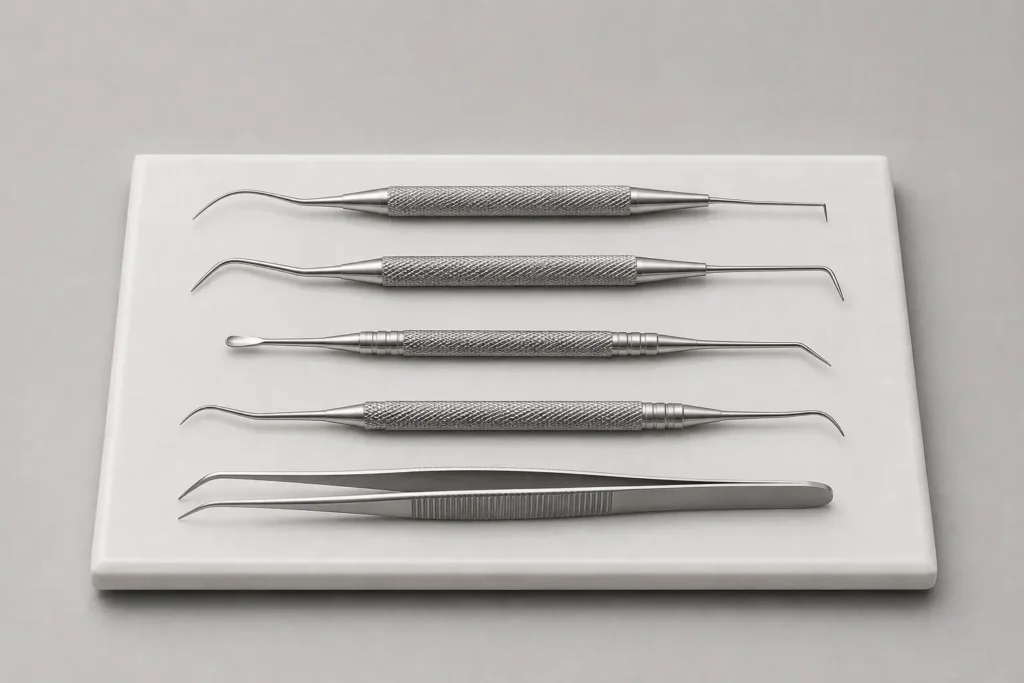
Gum grafting is a microsurgical procedure that adds healthy tissue to areas where gums have receded, covering exposed tooth roots and protecting against further recession. At Dental Elements in Downtown Denver, Dr. David Thurman evaluates gum recession to determine whether grafting is recommended to protect your long-term periodontal health.
Call or Text: 303-309-4093
What Is Gum Grafting?

Restoring the protective seal around your teeth

Gum grafting is a detailed periodontal procedure that adds healthy gum tissue to an area where the gumline has receded, exposing the vulnerable root of a tooth. Recession can happen for several reasons, including advanced gum disease, aggressive tooth brushing, or genetics.
Unlike the crown of your tooth, the root is not protected by hard enamel. Left untreated, exposed roots lead to severe temperature sensitivity, an uneven smile line, and an increased risk of root decay and tooth mobility. During grafting, donor tissue is delicately added to rebuild the gumline and cover the exposed root, creating a robust, protective seal around the base of your tooth.
Do You Need Gum Grafting?

Signs you may need a tissue graft

Gum recession is a progressive condition that will not reverse on its own. Dr. Thurman evaluates the extent of recession and may recommend grafting if you experience:

Visible Recession

Gums that appear to be pulling away from your teeth, making your teeth look unnaturally longer.

Tooth Sensitivity

Sharp, zinging sensitivity to hot, cold, or sweet foods and beverages near the gumline.

Root Exposure

A distinct notch or ridge that can be felt at the gumline where the yellow tooth root is visible.

Progressive Thinning

Gum tissue that has become incredibly thin, translucent, and appears to be getting worse over time.

WHAT TO EXPECT

The Microsurgical Process

01

Periodontal Evaluation

We assess the severity of the recession, measure the depth of the exposed root, and determine the underlying cause.

02

Treatment Planning

A grafting approach is specifically planned based on the location of the recession and the required tissue source.

03

The Grafting Procedure

While you are profoundly numbed, donor tissue is added to the affected area to rebuild the gumline and cover the exposed root.

04

Healing & Integration

You will follow a soft-food diet. Time is allowed for the grafted tissue to vascularize and permanently integrate with your surrounding gums.

FINANCIAL PLANNING

Understanding your periodontal investment
Gum grafting is a highly specialized, microsurgical procedure that protects the structural integrity of your natural teeth. The cost varies based on the number of teeth requiring coverage, the severity of the recession, and the source of the grafting tissue. During your evaluation at Dental Elements, we will provide a comprehensive, transparent breakdown of the surgical fees. We assist in maximizing your applicable dental benefits and offer flexible patient financing options to ensure this essential, tooth-saving procedure fits within your budget.
WHY DENTAL ELEMENTS

Addressing the cause, not just the symptom

Gum recession often has an underlying cause—whether it is active gum disease, highly aggressive brushing habits, or clenching forces from your bite. Addressing that cause matters just as much as the graft itself. At Dental Elements in Downtown Denver, Dr. Thurman evaluates the full clinical picture before recommending treatment. By correcting the functional habits that caused the tissue loss in the first place, we ensure the recession does not simply return after the graft has healed.
IMPORTANT THINGS TO KNOW

Prerequisites for Successful Grafting

Gum grafting addresses existing recession, but it does not guarantee recession won’t happen again if the underlying cause isn’t also addressed. Furthermore, a gum graft cannot be successfully placed on a foundation of active disease. If your recession is caused by untreated periodontal disease (periodontitis), you must undergo deep cleanings to completely eliminate the infection before a graft can be attempted. Not every case of recession requires grafting; mild, asymptomatic cases may simply be monitored. Dr. Thurman will explain whether grafting or a more conservative approach is appropriate for your situation.

Frequently Asked Questions About Gum Grafting

Does gum grafting hurt?

Local anesthetic is used to keep the procedure entirely painless, and sedation options are available. You will experience mild soreness during the initial healing days, which is easily managed.
Tissue is traditionally taken from the roof of your own mouth. Alternatively, highly safe sterilized donor tissue can be used to avoid creating a second surgical site.
Healing time varies based on the extent of the graft. You will need to adhere to a soft-food diet for a week or two. Dr. Thurman will outline your specific timeline.
It can, particularly if the underlying cause (like aggressive brushing) isn’t addressed. Dr. Thurman will discuss ways to help protect your results long-term.

Ready to address your gum recession?

A consultation with Dr. Thurman can evaluate your gum recession and determine the right treatment to protect your smile.
Call or Text: 303-309-4093
Scroll to Top