
Clinically Reviewed by Dr. David Thurman, DDS
IMPLANT DENTISTRY

Dental Bone Grafting in Downtown Denver

Dental bone grafting is a surgical procedure that adds necessary volume and density to the jawbone to create a stable, secure foundation for future dental implants. At Dental Elements in Downtown Denver, Dr. David Thurman performs precise bone grafting to restore areas of bone loss and ensure long-term implant success.
Call or Text: 303-309-4093
What Is Dental Bone Grafting?

Rebuilding a strong foundation for your smile

When a tooth is lost or extracted, the jawbone in that area immediately begins to resorb (shrink) because it is no longer stimulated by chewing forces. If too much bone is lost, a dental implant cannot be safely anchored. Dental bone grafting addresses this by placing specialized bone grafting material into the deficient area. Over several months, your body absorbs this material and regenerates healthy, natural bone in its place. This procedure effectively restores the necessary width and height of the jawbone, creating a secure, rock-solid foundation for future implant placement.
Do You Need a Bone Graft?

When is dental bone grafting recommended?

Dr. Thurman utilizes advanced 3D imaging to determine if a bone graft is clinically necessary. It is commonly recommended for:

Prolonged Tooth Loss

Rebuilding areas where teeth have been missing for years, resulting in severe natural bone resorption.

At the Time of Extraction

Placing a "socket preservation" graft immediately after a tooth is pulled to prevent the bone from shrinking while it heals.

Periodontal Disease Damage

Restoring foundational jawbone that has been eaten away by advanced, chronic gum disease infections.

Sinus Lifting

Adding bone height to the upper jaw when the sinus cavity sits too low to safely accommodate a dental implant.

What To Expect

The Bone Grafting Process

01

3D Evaluation

We capture a high-resolution CBCT 3D scan to digitally measure your exact bone density, width, and height, determining precisely where grafting is required.

02

The Grafting Procedure

The surgical area is numbed, and the grafting material is carefully placed into the deficient bone space to promote natural cellular regeneration.

03

Healing & Regeneration

The site is given time to heal. Over the next several months, your body builds new, solid bone in the area.

04

Readiness for Implants

Once the new bone is fully integrated and solidified, the site is officially ready for the safe, predictable placement of your dental implant.
WHY DENTAL ELEMENTS

Complete continuity for complex surgery

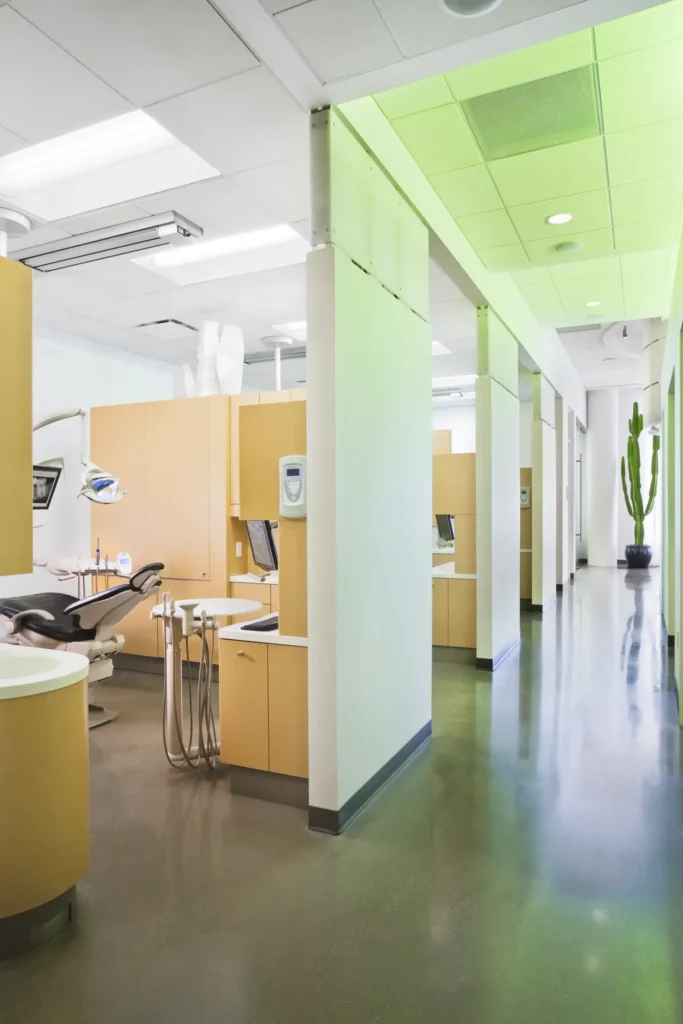
In many practices, patients are referred to an outside oral surgeon for bone grafting, only to return months later for the implant placement. At Dental Elements in Downtown Denver, Dr. Thurman performs both the foundational bone grafting and the subsequent implant placement in one location. Guided by in-house 3D CBCT imaging, we place the bone graft specifically to support the future anatomical angles of your implant. This single-provider continuity ensures nothing is lost in translation between surgical preparation and final restoration.
IMPORTANT THINGS TO KNOW

Considerations for Bone Grafting

Bone grafting requires patience. Because the procedure relies on your body’s natural cellular regeneration, the healing phase cannot be rushed. It typically takes several months for the grafted site to become dense and stable enough to support a titanium dental implant. Smoking, uncontrolled diabetes, and poor oral hygiene significantly impair bone healing and increase the risk of graft failure. Dr. Thurman will thoroughly review your medical history and lifestyle factors to determine if you are a healthy candidate for regenerative bone surgery.

Frequently Asked Questions About Bone Grafting

How much does bone grafting cost?

The cost depends on the volume of bone required and the specific type of grafting material utilized. We provide a clear breakdown of surgical fees prior to treatment.
The procedure is performed under profound local anesthesia and sedation options are available, so you will feel no pain during surgery. Mild swelling and soreness for a few days afterward are normal.
Grafting material can be sourced from a sterilized bone bank, synthetic minerals, or sometimes from a different area of your own jaw. Dr. Thurman will explain the best option for your case.
Sometimes. If the bone defect is very minor, or during a routine tooth extraction (socket preservation), the graft and implant may be placed simultaneously. Larger defects require the graft to heal first.

Ready to build a strong foundation for your smile?

Schedule a 3D imaging consultation with Dr. Thurman to determine if dental bone grafting is the necessary first step in your tooth replacement journey.

Call or Text: 303-309-4093
Scroll to Top