

Do I Need a Root Canal? 7 Signs You Shouldn't Ignore
- Written by Dental Elements
- Medically Reviewed by Dr. David Thurman, DDS
- Published: August 2026 · 6 min read
KEY TAKEAWAYS
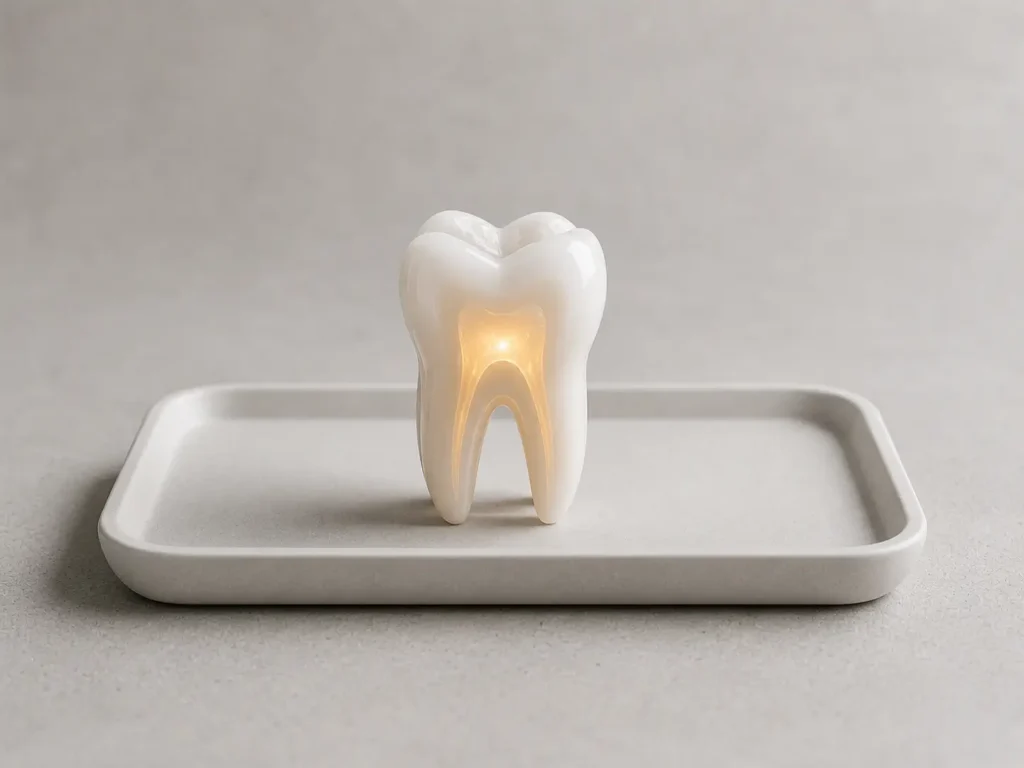
A root canal becomes necessary when the soft tissue inside a tooth, called the pulp, becomes infected or inflamed beyond the point of healing on its own.
Lingering sensitivity to hot or cold temperatures that lasts more than a few seconds is one of the most common early indicators of pulp inflammation.
Swelling of the gums near a specific tooth or a small pimple-like bump on the gum can signal a dental abscess that requires prompt attention.
Patients in Downtown Denver who notice these symptoms benefit from timely evaluation to determine whether root canal therapy can save the natural tooth.
What Are the Most Common Signs You May Need a Root Canal?
The most frequent signs that a root canal may be needed include lingering sensitivity to temperature, pain on biting, and localized gum swelling. A root canal is typically needed when bacteria reach the pulp—the nerve and blood vessel tissue inside a tooth—usually through deep decay, a crack, or trauma.
The seven clinical signs you should never ignore include:
01
Lingering temperature sensitivity
Discomfort that lasts more than a few seconds after a hot or cold stimulus is removed.
02
Spontaneous or throbbing pain
Pain that begins without an obvious trigger, especially at night.
03
Pain when biting or chewing
Localized pressure pain signaling compromised surrounding tissues.
04
Swelling of the gums
Noticeable inflammation near one specific tooth.
05
A bump on the gum
A fistula or "gum boil" functioning as a drainage pathway for an abscess.
06
Tooth discoloration:
A single tooth that darkens or turns gray from internal damage.
07
Radiating pain
Discomfort that extends to the jaw, ear, or temple.
What Happens If You Delay Treatment?
Delaying treatment when these signs are present generally allows the infection more time to spread beyond the tooth. This progression can lead to more significant swelling, bone loss around the tooth’s root, or a reduced likelihood that the natural tooth structure can be saved at all.
Untreated pulp problems can rapidly progress to abscess formation. Early intervention with root canal therapy removes the diseased tissue, disinfects the canals, and seals the space so the natural tooth can be safely retained and restored.

Dr. David Thurman, DDS
- D.D.S., The Ohio State University (2007)
- Founder, Dental Elements
- 19+ Years of Clinical Practice
Related Services

Root Canal Therapy
Removes infected pulp tissue so the natural tooth can be preserved and restored.
Dental Abscess Treatment
Addresses active infection when it has already spread beyond the tooth.

YOUR DENTAL HOME STARTS HERE
Are you experiencing lingering tooth pain or sudden temperature sensitivity?
Waiting rarely resolves tooth pain on its own. A focused clinical examination determines whether the pulp is involved and outlines the best path to resolving your discomfort.