

Can You Get Dental Implants If You Have Bone Loss?
Bone loss does not automatically rule out dental implants. This guide explains how advanced bone grafting safely rebuilds jaw volume and what you can realistically expect when preparing a site for permanent tooth replacement.
- Written by Dental Elements
- Medically Reviewed by Dr. David Thurman, DDS
- Published: August 2026 · 6 min read
KEY TAKEAWAYS
Bone loss does not automatically disqualify a patient from dental implant treatment, as many cases can be successfully resolved with grafting.
A dental implant requires a specific volume and density of healthy jawbone to achieve primary stability and long-term integration.
Bone grafting is a routine clinical procedure that rebuilds the deficient area, providing the necessary foundation for secure implant anchorage.
Following a grafting procedure, the jawbone typically requires several months of biological healing before an implant can be safely placed.
Patients visiting Dr. Thurman at our Downtown Denver practice receive comprehensive 3D imaging to determine the exact bone dimensions and plan the most appropriate graft.
Can You Get Dental Implants When Bone Loss Is Present?
Yes, many patients with bone loss can successfully receive dental implants once the deficient site is rebuilt with a bone graft. Insufficient bone volume or density is one of the most common barriers to immediate implant placement, yet modern grafting techniques reliably restore the necessary foundation in the majority of cases.
The clinical decision depends on the amount and location of the remaining bone, your overall health, and whether the graft can be performed simultaneously with implant placement or must occur as a separate preliminary step.
Why Does Bone Loss Happen After Losing a Tooth?
Jawbone loss occurs primarily because the bone no longer receives the natural stimulation provided by chewing forces transmitted through the tooth root. When a tooth is extracted or falls out, the body assumes the bone in that specific area is no longer needed. Consequently, the body begins to resorb the bone tissue, leading to a visible shrinking of the jaw ridge.
This deterioration can happen rapidly within the first year of tooth loss and continues progressively over time. Periodontal (gum) disease, severe dental infections, and facial trauma can also actively destroy the bone tissue surrounding your teeth, complicating future restorative efforts.
What Does the Bone Grafting Process Involve?
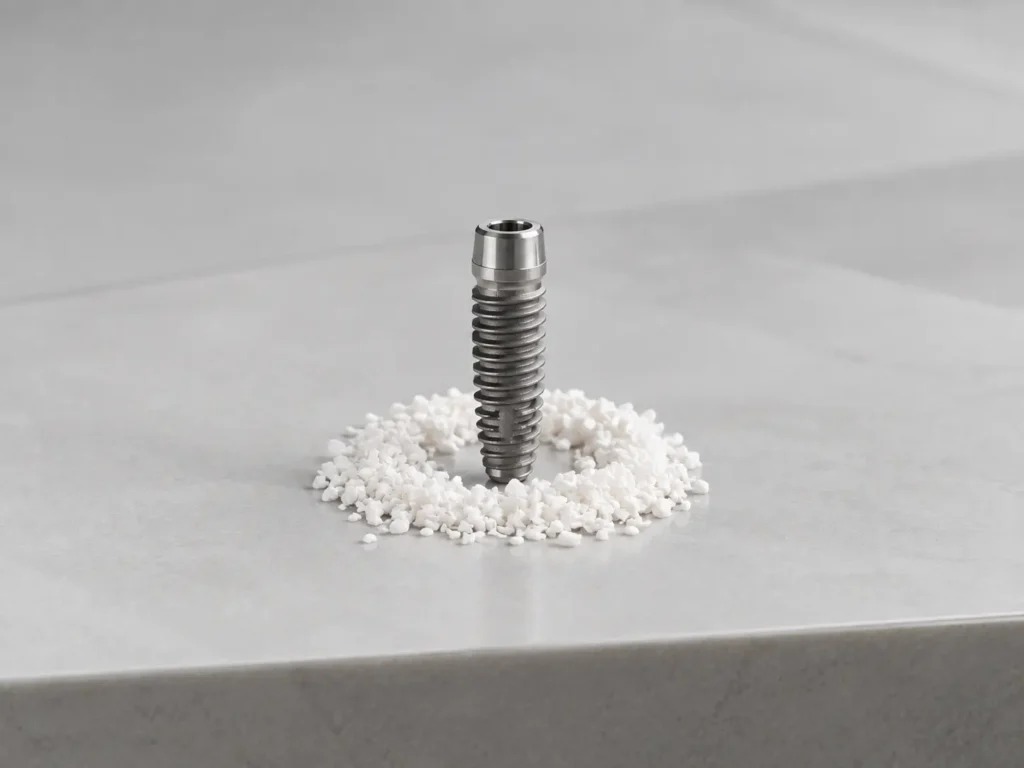
Bone grafting restores the missing architectural foundation required to safely anchor a titanium dental implant. During this procedure, biocompatible grafting material is placed precisely into the depleted area of the jaw to stimulate new bone growth. Over several months, your body uses this material as a scaffold, depositing your own natural bone cells to rebuild the ridge.
Once the graft has fully matured and integrated, the newly densified jawbone provides the structural integrity necessary to hold an implant securely. Without this preparatory step, an implant placed into thin or soft bone is highly susceptible to mechanical failure under the heavy pressures of chewing.
Lacking the bone density for immediate tooth replacement?

Dr. David Thurman, DDS
- D.D.S., The Ohio State University (2007)
- Founder, Dental Elements
- 19+ Years of Clinical Practice
Related Services
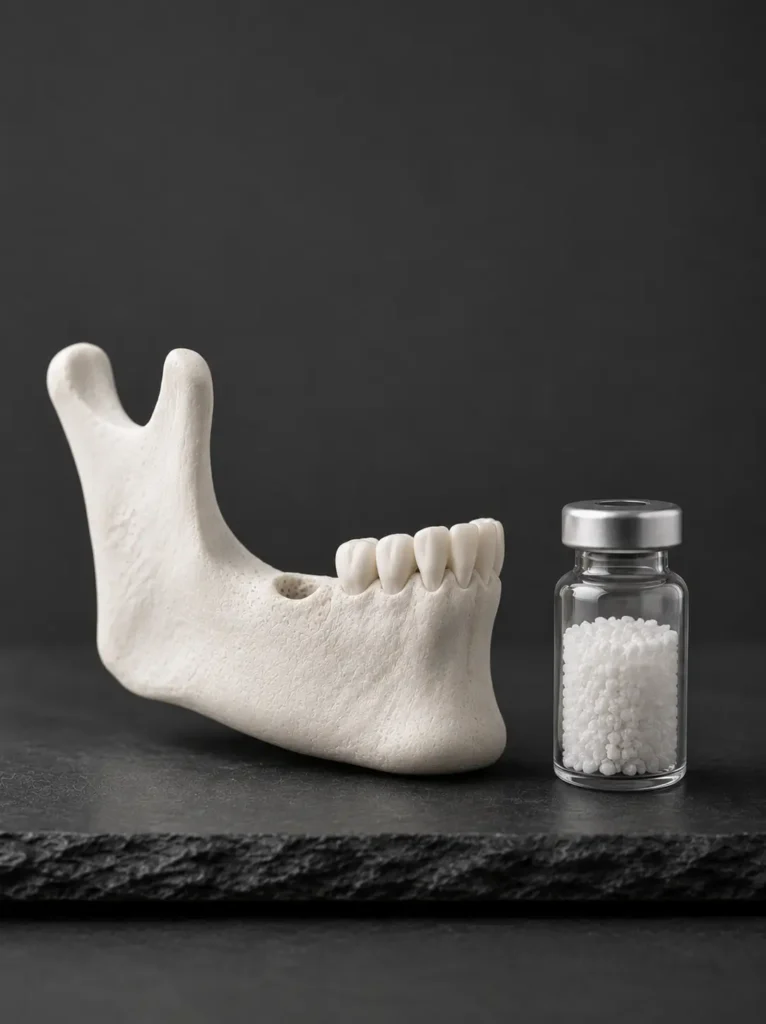
Bone Grafting
Rebuild compromised jawbone volume to securely anchor future dental restorations.
Dental Implants
Replace missing teeth permanently with secure, bone-preserving titanium posts.

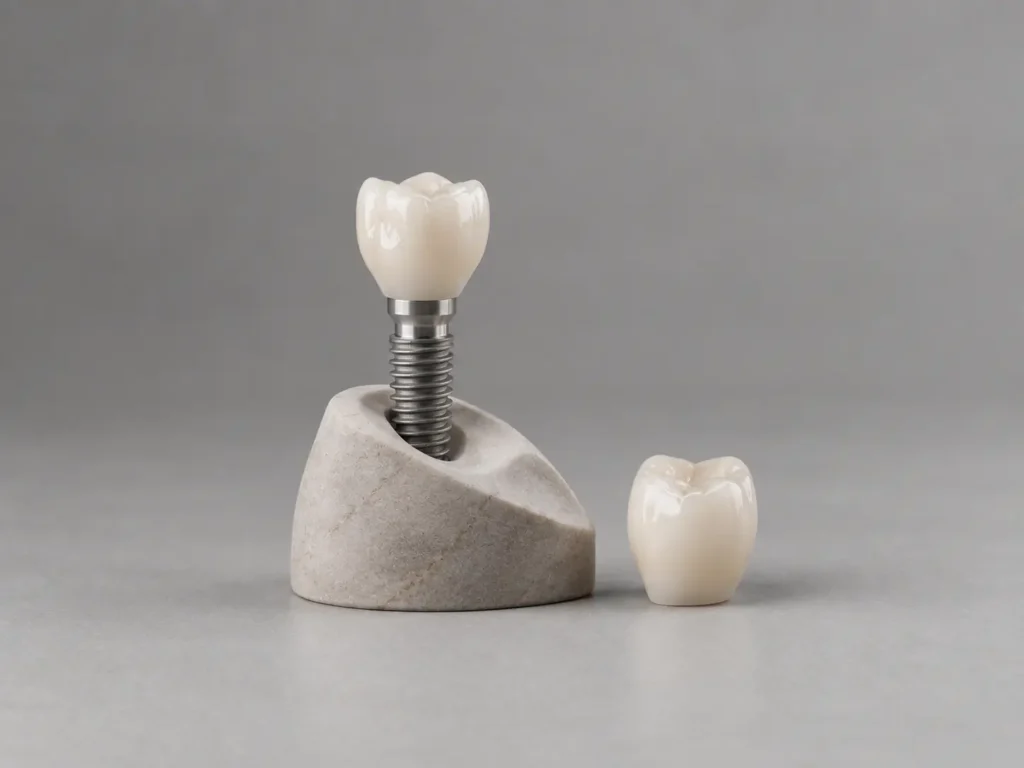
YOUR DENTAL HOME STARTS HERE
Have you been told you do not have enough bone for dental implants?
A comprehensive 3D imaging assessment allows our clinical team to precisely evaluate your bone density and design a grafting plan tailored to your future smile.