

How Long Does Getting a Dental Implant Actually Take?
- Written by Dental Elements
- Medically Reviewed by Dr. David Thurman, DDS
- Published: August 2026 · 6 min read

KEY TAKEAWAYS
The complete dental implant process occurs in distinct phases and often spans several months because the bone needs time to securely integrate with the titanium post.
Healing after the initial implant placement commonly requires two to six months before the final permanent restoration can be attached safely.
Additional preliminary procedures, such as tooth extraction or bone grafting, will extend the overall treatment timeline.
Patients in Downtown Denver receive a personalized schedule based on bone quality, ensuring the integration step is never rushed to compromise the final result.
What Are the Phases of Getting a Dental Implant?
Dental implant treatment unfolds in a sequence of phases, beginning with evaluation and moving through surgical placement, healing, and final restoration. The exact timeline varies, but the structure follows a consistent clinical pattern.
01
Initial evaluation and planning
3D imaging assesses bone volume and determines if preparatory treatment is needed.
02
Extraction and bone grafting (if needed)
A failing tooth is removed, or a bone graft is placed to rebuild volume. Soft-tissue and graft maturation typically require several months of healing.
03
Implant placement
The titanium implant post is surgically inserted into the jawbone.
04
Osseointegration (healing phase)
The jawbone physically fuses to the implant surface. This phase commonly lasts two to six months.
05
Abutment and final restoration
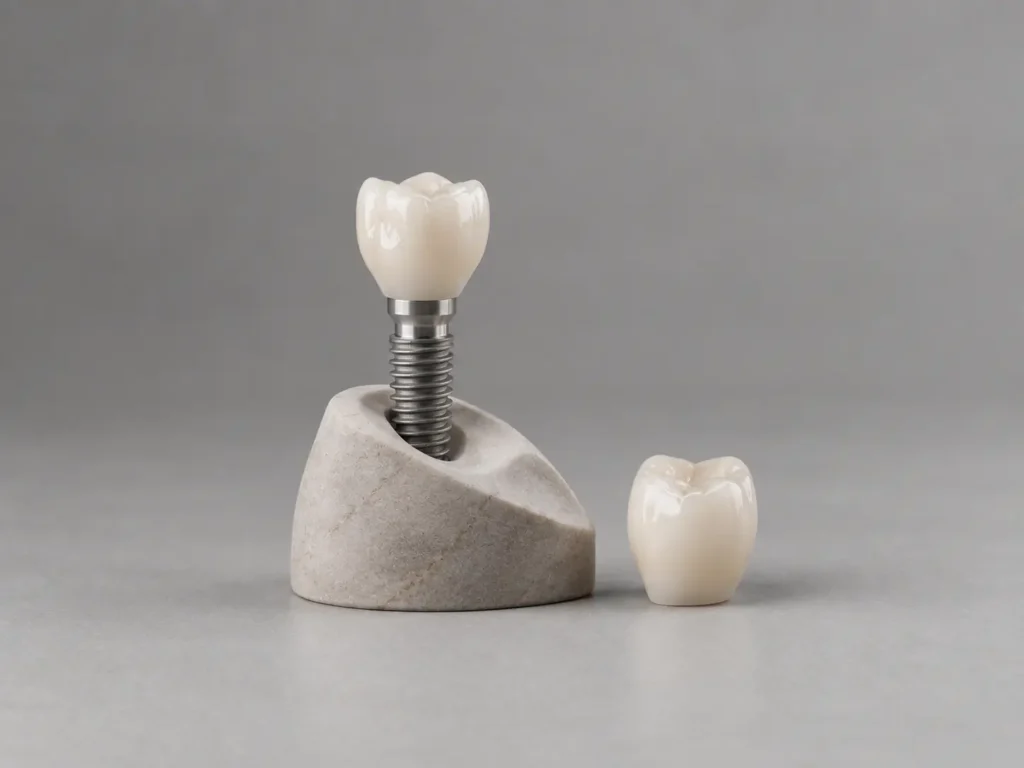
Once integration is confirmed, a connector (abutment) is attached, and a custom crown or bridge is permanently delivered.
Why Does the Healing Timeline Vary Between Patients?
The single biggest variable affecting the timeline is whether a patient requires tooth extraction or bone grafting before the implant can be placed. A patient with adequate existing bone and no active infection may move through treatment more quickly.
Conversely, grafted bone requires its own dedicated healing period to mature before it can structurally support an implant. Systemic health, smoking status, and bone density also influence healing speed. The biological process of osseointegration cannot be rushed, as it forms the necessary foundation for long-term clinical stability.

Dr. David Thurman, DDS
- D.D.S., The Ohio State University (2007)
- Founder, Dental Elements
- 19+ Years of Clinical Practice
Related Services

Dental Implants
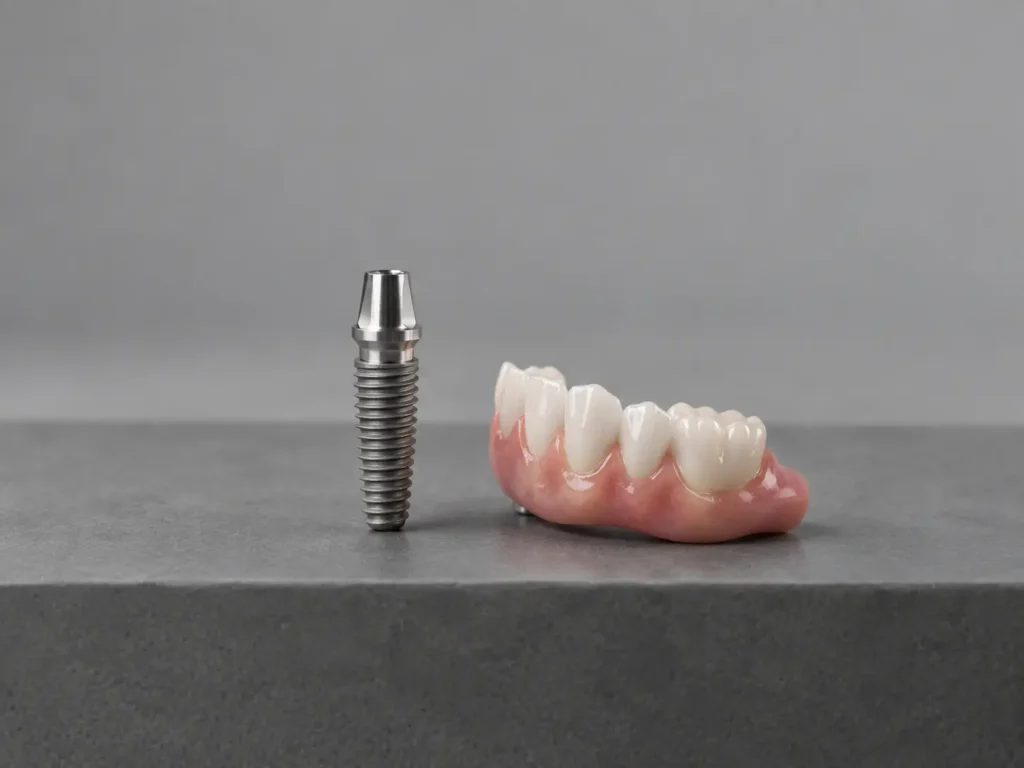
A phased, bone-integrated solution that replaces missing teeth with maximum durability

Bone Grafting
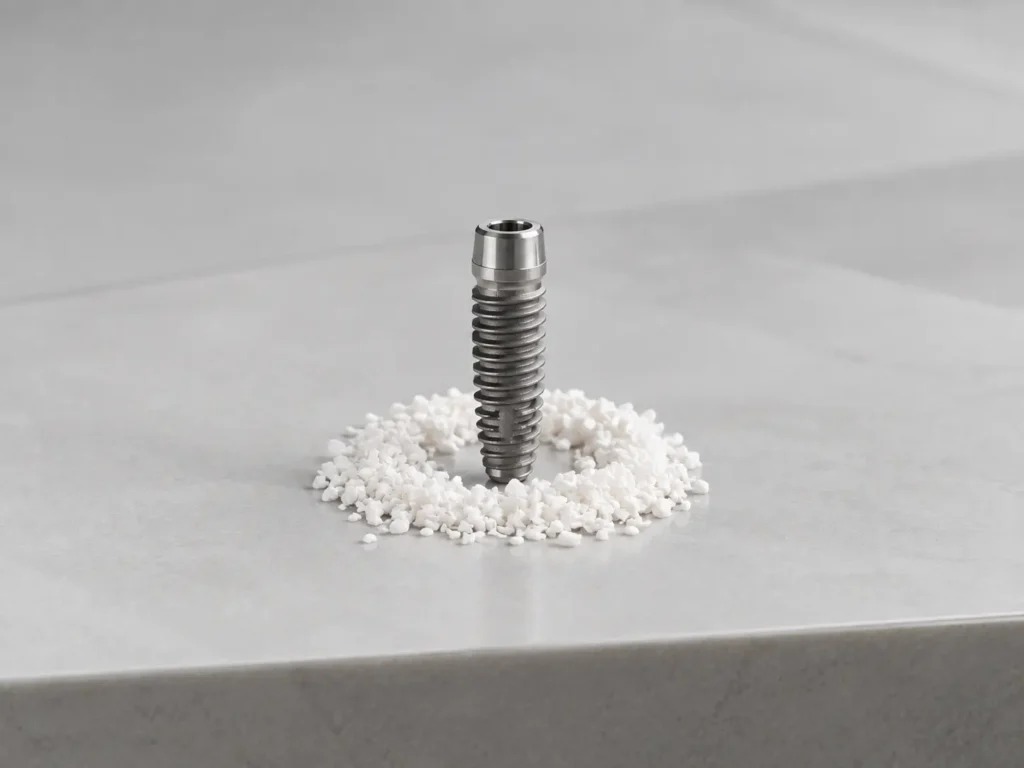
Rebuilds jawbone volume when needed to securely support future implant placement.
YOUR DENTAL HOME STARTS HERE
Want a clear picture of how long implant treatment would take in your specific situation?
A comprehensive consultation that includes 3D bone volume imaging provides a realistic, personalized timeline tailored entirely to your clinical needs.