

Nitrous Oxide vs. Oral vs. IV Sedation: Understanding Your Options
- Written by Dental Elements
- Medically Reviewed by Dr. David Thurman, DDS
- Published: August 2026 · 7 min read
KEY TAKEAWAYS
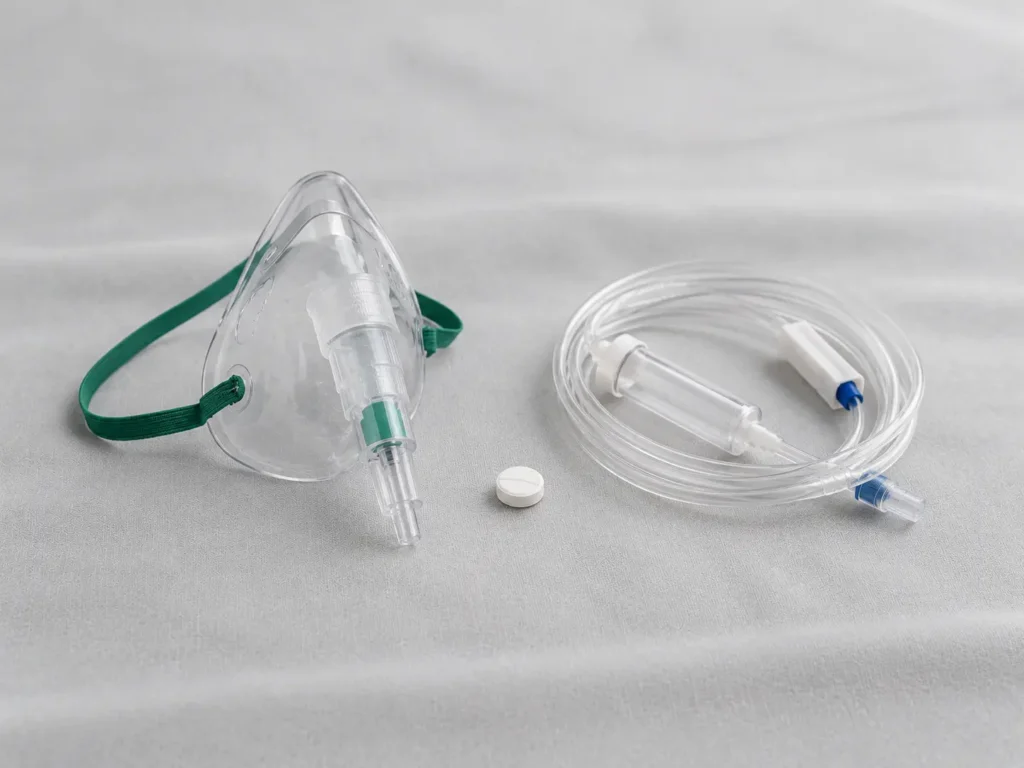
Nitrous oxide, oral sedation, and IV sedation represent increasing levels of relaxation, each suited to different procedure lengths and anxiety levels.
Nitrous oxide provides mild, rapidly reversible relaxation and allows most patients to drive themselves home immediately after treatment.
Oral sedation produces a deeper sense of calm through prescribed medication taken before the appointment and requires a driver for transport.
IV sedation offers the most profound relaxation, is continuously adjustable by the clinician, and frequently results in little to no memory of the procedure.
Our Downtown Denver practice discusses these options to match the appropriate sedation level to your specific medical history and comfort needs.
How Do the Three Main Types of Dental Sedation Differ?
| Feature | Nitrous Oxide (Laughing Gas) | Oral Conscious Sedation | IV Sedation |
|---|---|---|---|
| Level of Relaxation | Light (Patient is fully awake but calm) | Moderate (Patient is drowsy and deeply relaxed) | Moderate to Deep (Patient is on the edge of sleep) |
| Delivery Method | Inhaled through a nose mask | Prescription pill taken prior to appointment | Administered directly into the bloodstream |
| Memory of Procedure | Usually full awareness | Often partial memory (May forget parts of the visit) | Frequently little to no memory |
| Recovery Time | Minutes after gas is stopped | Several hours (Requires a driver) | Several hours (Requires a driver) |
What Happens What Is the Typical Recovery Timeline?
The appropriate option depends entirely on the severity of your dental anxiety, your medical history, and the complexity of the planned treatment. Patients with mild nervousness or a strong gag reflex frequently do well with nitrous oxide, especially for routine cleanings or shorter appointments.
Individuals with moderate anxiety who want a deeper calm without needles often choose oral sedation. If you suffer from significant dental fear, are undergoing a lengthy surgical procedure, or prefer to have minimal recollection of the appointment, IV sedation is highly effective. A comprehensive review of your medical history and current medications guides the final, safest recommendation.

Dr. David Thurman, DDS
- D.D.S., The Ohio State University (2007)
- Founder, Dental Elements
- 19+ Years of Clinical Practice
Related Services
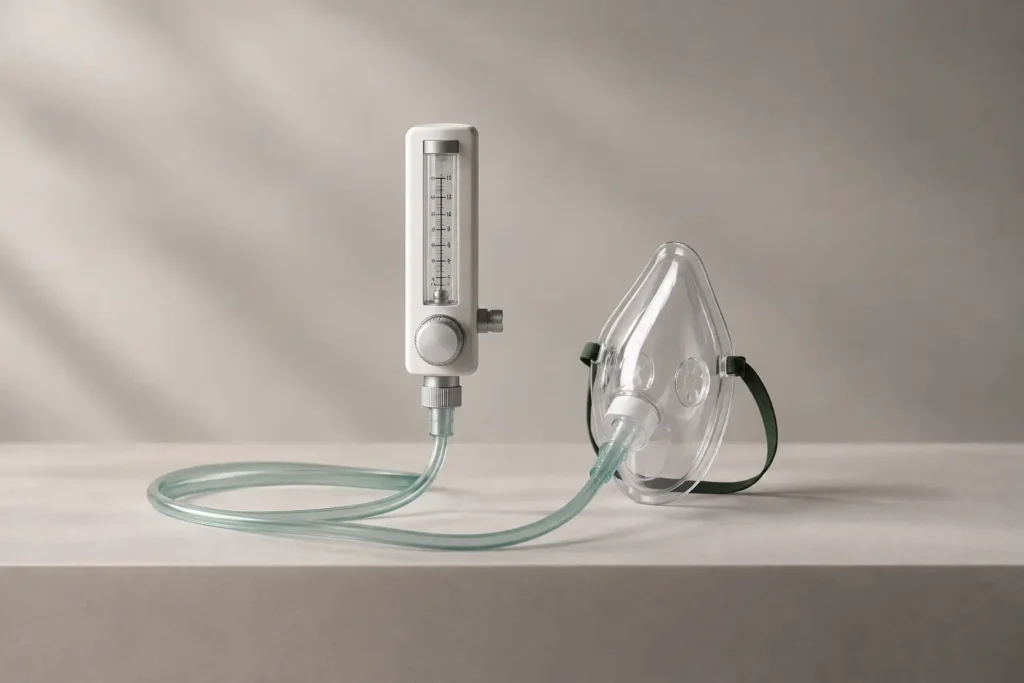
Nitrous Oxide
Mild, rapidly reversible inhalation sedation ideal for relaxed, comfortable routine care.

Oral Sedation
Prescribed medication that produces moderate, long-lasting relaxation before and during treatment.
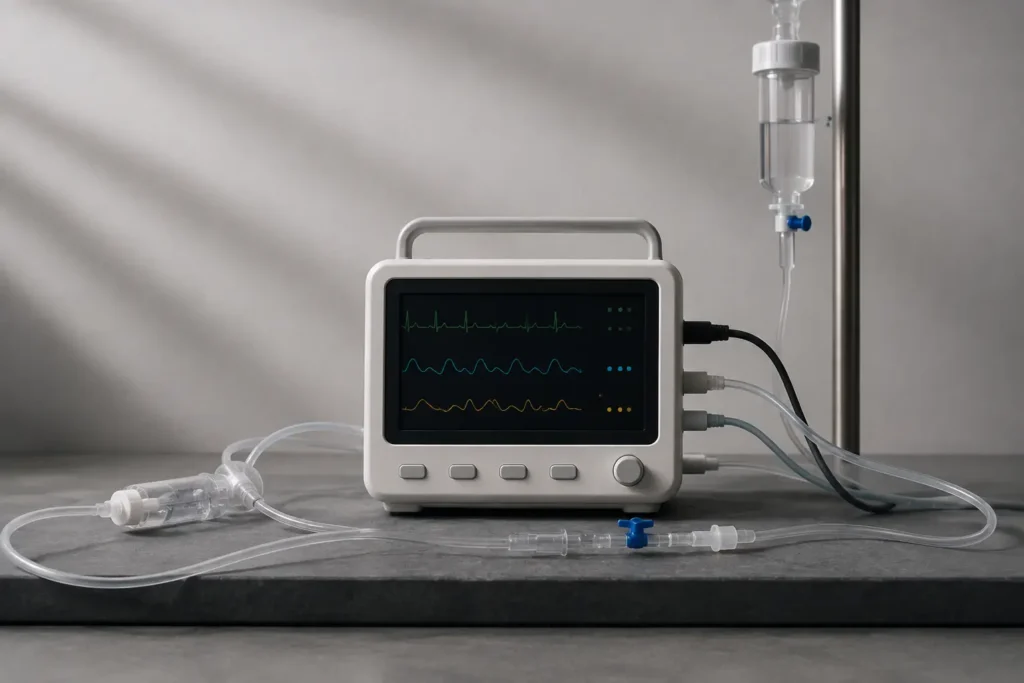
IV Sedation
Intravenous medication that provides deeper, adjustable relaxation for more involved surgical procedures.

YOUR DENTAL HOME STARTS HERE
Are you putting off necessary dental care because of procedure anxiety?
A discussion of your anxiety level and the planned procedure helps us select the exact sedation approach that best supports a comfortable, stress-free experience.