

TMJ Pain and Teeth Grinding (Bruxism): Signs You Need a Night Guard
- Written by Dental Elements
- Medically Reviewed by Dr. David Thurman, DDS
- Published: August 2026 · 7 min read
KEY TAKEAWAYS
Bruxism is the involuntary clenching or grinding of teeth, most commonly occurring during sleep when patients are unaware of the habit.
Morning jaw muscle soreness, frequent tension headaches near the temples, and visibly flattened enamel are strong clinical indicators of nocturnal grinding.
The temporomandibular joint (TMJ) connects the jaw to the skull, and chronic grinding can severely strain this joint over time.
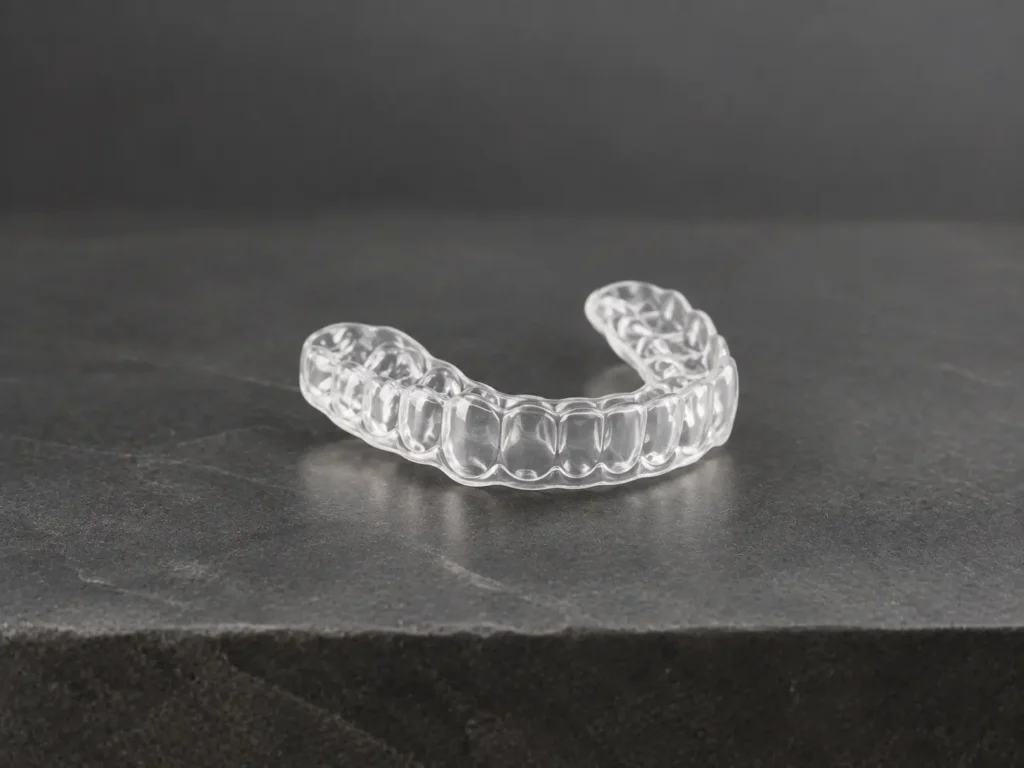
A custom occlusal night guard provides a physical barrier that absorbs heavy bite forces, protecting natural teeth and expensive dental restorations.
Professionals in Downtown Denver experiencing high-stress lifestyles often benefit immediately from the TMJ relief a well-fitted night guard provides.
What Are the Signs That You Grind or Clench Your Teeth?
Common physical indicators of bruxism include waking up with a dull, constant headache, localized soreness in the jaw muscles, and visibly flattened or chipped tooth enamel. Because grinding typically happens during deep sleep, most patients only discover the condition through these secondary daytime symptoms or when a dentist identifies wear patterns during a routine exam.
Other signs to watch for include unexplained tooth sensitivity (caused by enamel wearing away to expose dentin), a sleep partner noticing grinding sounds, or small, unexplained cracks appearing in existing fillings and dental crowns.
How Does Bruxism Affect the Jaw Joint (TMJ)?
Repeated grinding places immense, ongoing strain on the temporomandibular joint and its supporting musculature. When the jaw muscles remain active during sleep, they generate forces far greater than those used in normal chewing.
This sustained tension transmits directly to the TMJ, leading to morning soreness, tension headaches, and, in some cases, joint inflammation or disc displacement. Over time, patients may experience clicking, popping, or a restricted ability to open the mouth fully.
How Does a Custom Night Guard Provide TMJ Relief?
A custom night guard acts as a protective shock absorber between your upper and lower teeth, physically preventing them from grinding against one another. Fabricated from durable, dental-grade acrylic based on precise digital scans, the appliance redistributes the intense occlusal forces generated by the jaw muscles during sleep.
By slightly propping the bite open, a properly calibrated night guard also helps to relax the masseter muscles and decompress the TMJ, reducing morning pain and stiffness. Most importantly, the material takes the wear and tear of grinding, completely sparing your natural enamel and fragile ceramic restorations from irreversible mechanical destruction.
Have you already fractured a tooth from heavy grinding?

Dr. David Thurman, DDS
- D.D.S., The Ohio State University (2007)
- Founder, Dental Elements
- 19+ Years of Clinical Practice
Related Services
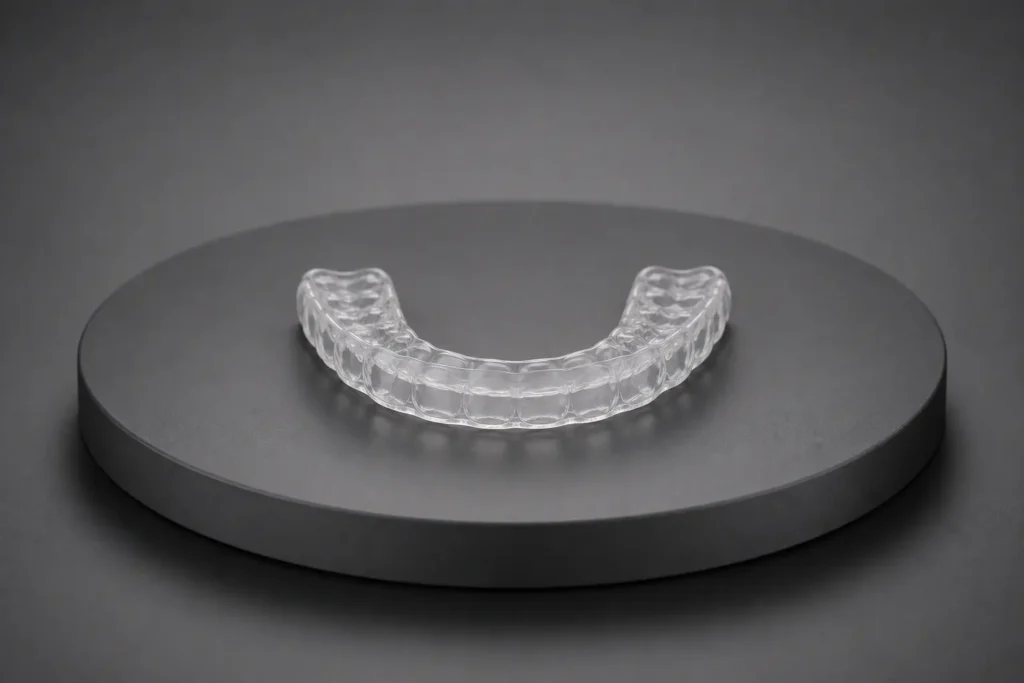
Night Guards & TMJ Relief
Alleviate jaw pain and protect your enamel from destructive nocturnal grinding.
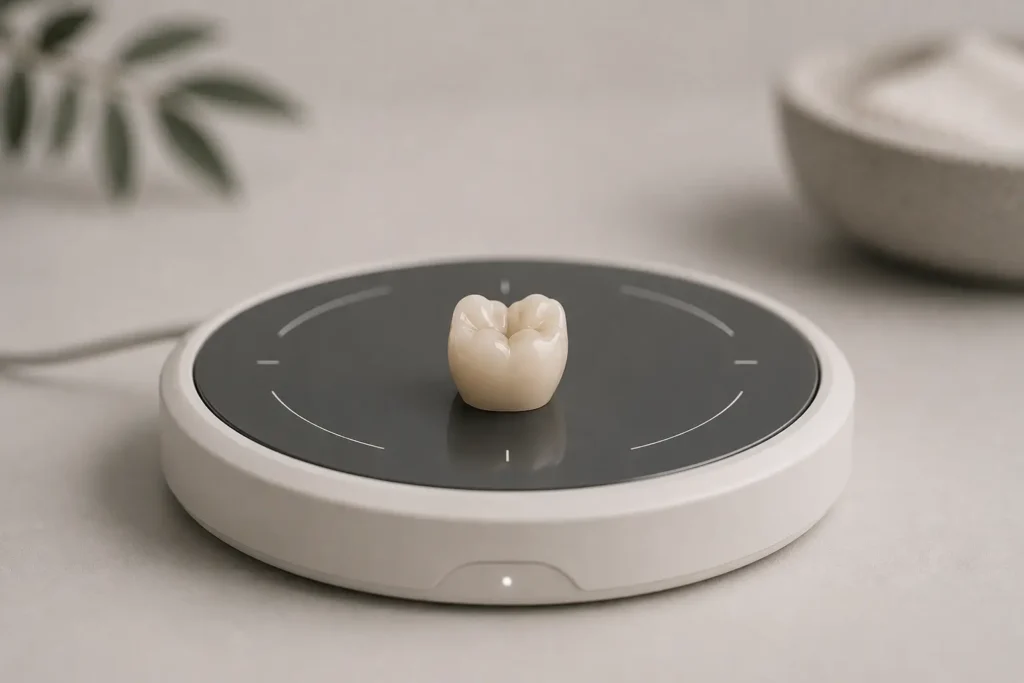
Same-Day Dental Crowns
Repair teeth heavily damaged by bruxism in a single, streamlined appointment.

YOUR DENTAL HOME STARTS HERE
Are you waking up with unexplained jaw soreness or frequent headaches?
Let our clinical team evaluate your bite and enamel wear to determine if a custom night guard can provide you with immediate relief and long-term protection.