

How Long Do Dental Crowns Last?
- Written by Dental Elements
- Medically Reviewed by Dr. David Thurman, DDS
- Published: August 2026 · 6 min read

KEY TAKEAWAYS
Dental crown lifespan depends primarily on the material used, the location of the tooth in the mouth, and the daily forces it is exposed to during chewing or grinding.
The health of the natural tooth and gum tissue underneath a crown matters as much as the crown material itself, since decay can still develop at the margin.
Patients who grind or clench their teeth place repeated stress on crowns, significantly shortening their lifespan unless managed with a properly fitted night guard.
Dental Elements in Downtown Denver recommends routine clinical exams because early signs of crown wear or marginal decay are not always noticeable to patients.
What Factors Affect How Long a Dental Crown Lasts?
Crown longevity depends on an interaction between the material the crown is made from, the amount of force it is exposed to, and how well the tooth and gum tissue underneath are maintained. While modern ceramics and high-strength glass resist fracture exceptionally well, the edge where the crown meets the natural tooth remains vulnerable.
Variables that heavily influence lifespan include:
01
Bite forces and grinding
Untreated bruxism places immense, repeated stress on the crown, increasing the likelihood of chipping or cement seal failure over time.
02
Oral hygiene at the margin
Inconsistent plaque removal leads to recurrent decay at the base of the crown.
03
Location in the mouth
Crowns on back molars absorb significantly more chewing force than those on front teeth, which affects wear patterns.
How Can You Help a Dental Crown Last Longer?
You can help a crown last longer by maintaining consistent oral hygiene, particularly flossing around the crown margin where new decay is most likely to start. Wearing a custom night guard if you grind your teeth protects the crown from repeated mechanical stress and fractures.
Avoid chewing ice, hard candies, or non-food objects, which can crack even the most well-placed restoration. Finally, keeping up with routine clinical examinations allows your dentist to spot early wear, open margins, or recurrent decay before they become urgent problems requiring replacement.
Experiencing jaw pain or waking up with headaches?

Dr. David Thurman, DDS
- D.D.S., The Ohio State University (2007)
- Founder, Dental Elements
- 19+ Years of Clinical Practice
Related Services
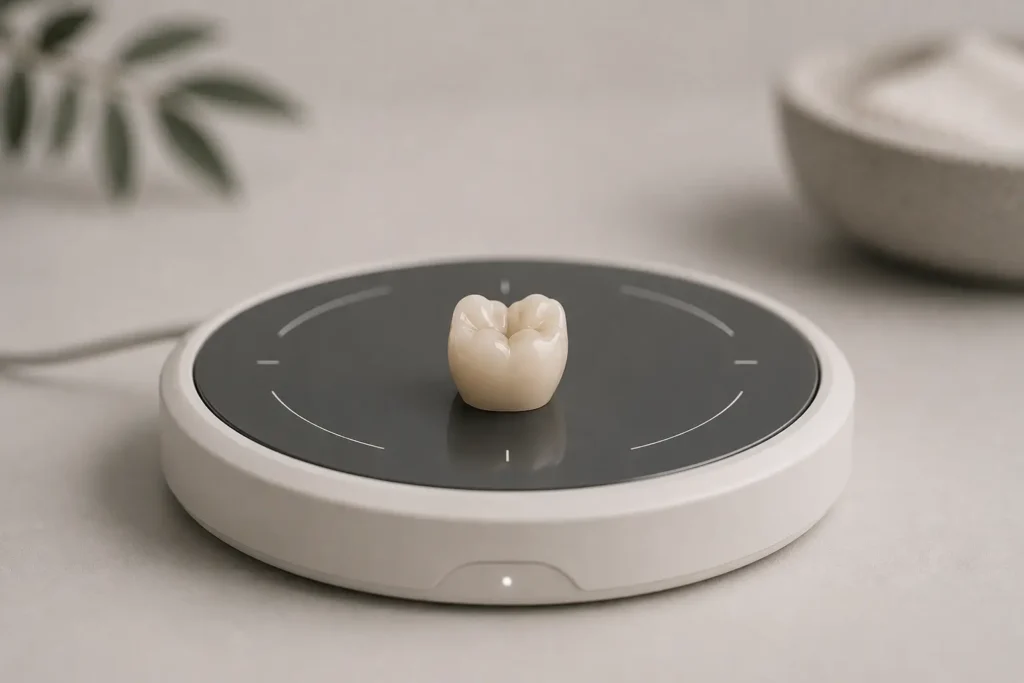
Same-Day Dental Crowns
Full-coverage ceramic restorations designed, milled, and placed in a single visit for lasting strength.

YOUR DENTAL HOME STARTS HERE
Wondering if your existing dental crown is still holding up structurally?
If it has been a while since your crown was checked, a quick evaluation confirms the margins are solid or catches a small issue early before replacement is needed.