

Dental Bone Grafting in Downtown Denver
- Best For: Rebuilding jawbone volume prior to or during implant placement
- Typical Visits: 1 surgical visit; healing takes several months
- Anesthesia: Local anesthetic; sedation options available

Rebuilding a strong foundation for your smile
When is dental bone grafting recommended?
Prolonged Tooth Loss
Rebuilding areas where teeth have been missing for years, resulting in severe natural bone resorption.
At the Time of Extraction
Placing a "socket preservation" graft immediately after a tooth is pulled to prevent the bone from shrinking while it heals.
Periodontal Disease Damage
Restoring foundational jawbone that has been eaten away by advanced, chronic gum disease infections.
Sinus Lifting
Adding bone height to the upper jaw when the sinus cavity sits too low to safely accommodate a dental implant.
The Bone Grafting Process
3D Evaluation
We capture a high-resolution CBCT 3D scan to digitally measure your exact bone density, width, and height, determining precisely where grafting is required.
The Grafting Procedure
The surgical area is numbed, and the grafting material is carefully placed into the deficient bone space to promote natural cellular regeneration.
Healing & Regeneration
The site is given time to heal. Over the next several months, your body builds new, solid bone in the area.
Readiness for Implants
Once the new bone is fully integrated and solidified, the site is officially ready for the safe, predictable placement of your dental implant.
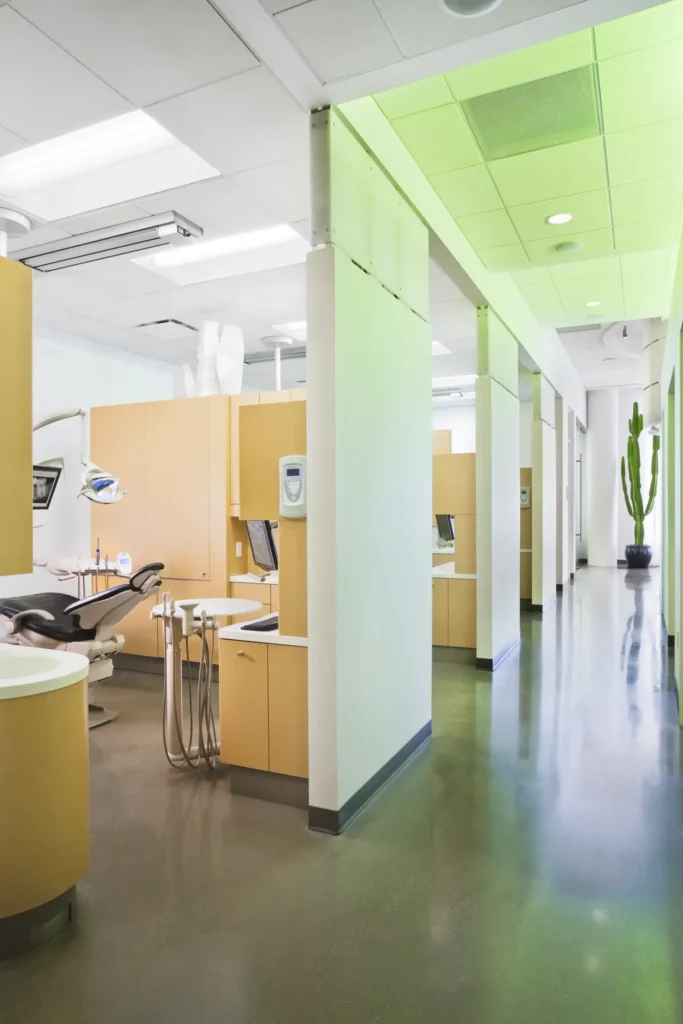
Complete continuity for complex surgery
Considerations for Bone Grafting
Frequently Asked Questions About Bone Grafting
How much does bone grafting cost?
Does bone grafting hurt?
Where does the bone grafting material come from?
Can the implant and bone graft be placed on the same day?
Ready to build a strong foundation for your smile?
Schedule a 3D imaging consultation with Dr. Thurman to determine if dental bone grafting is the necessary first step in your tooth replacement journey.